Home›News›How to Name Your Price Hotels and Save Big on Your Next Stay
How to Name Your Price Hotels and Save Big on Your Next Stay
By HotelHaggle Editorial TeamJune 30, 2026General
## The Shift Toward Direct Negotiation in Hotel Bookings
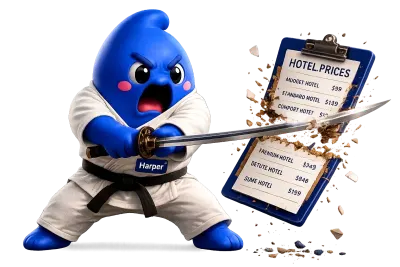
For decades, the standard way to book a hotel room was to accept the price listed on a website or a third-party booking engine. Travelers were passive participants in the pricing process, hoping for a "deal" or a promotional code to lower the cost. However, the industry is shifting. A new approach to travel allows the guest to take control of the transaction by naming their own price, effectively flipping the traditional booking model on its head.
Naming your price transforms the booking process from a static transaction into a dynamic negotiation. Instead of searching through endless lists of pre-set rates, travelers can specify exactly what they are willing to pay for a single room. This puts the power back into the hands of the consumer, forcing hotels to compete for the guest's business rather than relying on a fixed price ceiling.
## Understanding the Name Your Price Model
The "name your price" concept is based on the idea that hotels often have unsold inventory that they would rather fill at a lower rate than leave vacant. By allowing travelers to propose a price, hotels can fill rooms that might otherwise remain empty, while travelers secure a rate that fits their specific budget.
Unlike group bookings or corporate contracts, this model is designed specifically for individual travelers and families seeking a single room. It removes the guesswork and the endless refreshing of browser tabs in hopes of a price drop. Instead, it creates a transparent marketplace where the traveler sets the baseline and the hotels respond.
To initiate this process on hotelhaggle.org, users provide specific details: the city they wish to visit, their travel dates, the preferred room type, and the exact price they want to pay. Once this request is submitted, hotels in that area can view the request and respond with counter-offers, included amenities, or special deals to entice the traveler.
## How to Strategize Your Price Request
While naming your price offers a significant advantage, the key to success lies in how you approach your request. Because you are inviting hotels to compete for your booking, providing clear and realistic parameters increases the likelihood of receiving a high-quality offer.
### Be Specific About Your Needs
When submitting a request, clarity is essential. Specifying the room type—whether you need a king-size bed, a suite, or a room with two queens—allows hotels to know exactly which part of their inventory can meet your needs. When a hotel knows the specific requirements, they are more likely to offer a competitive price that aligns with the room's value.
### Balance Value and Ambition
While the goal is to save money, the most successful negotiations are those based on a reasonable understanding of the market. If a price is set too low to be feasible, hotels may ignore the request. If it is set too high, you leave money on the table. The most effective strategy is to name a price that is competitive yet attractive enough for a hotel to prioritize your booking over a standard walk-in or third-party reservation.
### Evaluate the Full Package
A hotel's response is not always a simple "yes" or "no" to your proposed price. Often, hotels will provide counter-offers that include added value. This might include upgraded amenities or special deals that make a slightly higher price more attractive than your original bid. By comparing these offers side-by-side, you can determine which hotel provides the best overall value for your stay.
## The Process and Cost of Negotiating
Direct negotiation is a professional service that connects travelers with hotel management. To maintain the quality of the marketplace and ensure that hotels receive serious inquiries, hotelhaggle.org charges a nominal fee for this service.
Submitting a price request costs $2 per request. This small investment ensures that the requests being sent to hotels are intentional, which in turn encourages hotels to provide their most competitive counter-offers. For the cost of a single request, travelers can potentially save dozens or even hundreds of dollars on their room rate.
For a detailed breakdown of the costs associated with submitting requests, you can visit the [Pricing](/pricing) page.
## Navigating the Platform for Maximum Savings
To get the most out of the negotiation process, it is helpful to understand how to navigate the platform's tools. Once a request is submitted, the traveler does not need to chase down individual hotels. The platform centralizes the responses, allowing for an efficient comparison of all incoming bids.
Travelers can view their active requests and manage the offers they receive through the [RFP page](/rfp). This allows you to track which hotels have responded and which counter-offers are currently on the table. If you are unsure of where to start or how the competition between hotels works, the [How It Works](/how-it-works) page provides a comprehensive guide to the workflow.
Additionally, if you want to see the types of properties available before naming your price, you can explore the [Hotel Directory](/directory) to get a sense of the options in your destination.
## Conclusion: Taking Control of Your Travel Budget
The era of accepting the first price you see online is over. By moving toward a negotiation-based model, travelers can stop overpaying for hotel rooms and start securing rates that reflect their actual budget. Whether you are planning a solo trip or a family getaway, the ability to name your price and let hotels compete for your business is the most effective way to ensure you get the best deal possible.
Name your price on hotelhaggle.org and let hotels compete for your single-room booking.
We use cookies to analyze site traffic and improve your experience. Learn more